After breakfast in your Naha hotel, you will meet your guide for a "Historical Okinawa" day trip.
The tour begins with a visit to the famous Yachimun no Sato Street. All local pottery, yachimun, has a simple texture and warm colors, giving its unique charm. Traditional production areas are Tsuboya in Naha and Yachimun no Sato in Yomitan Village. In addition to plates, bowls, and coffee cups, you can find jugs and figurines of the mythical animal Shisa, Okinawa's symbol.
The day trip will continue with a Bios no Oka Natural Park tour. A thrilling jungle river safari is a must for every visitor! This themed park also houses a botanical garden, where varieties of orchids are worth checking out. Adults can ride buffaloes here, and children can have fun at the children's zoo! Then, it would be lunchtime at a local restaurant.
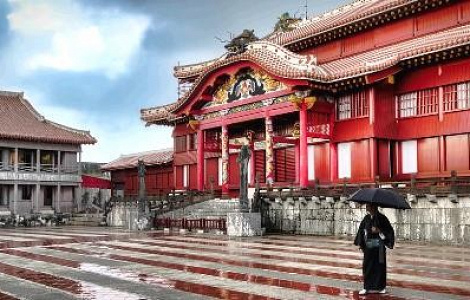
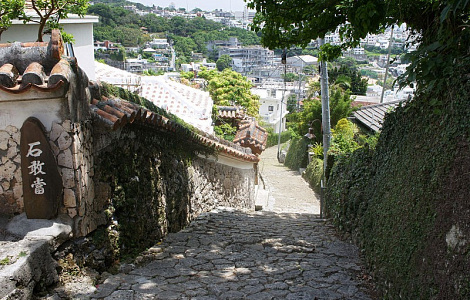
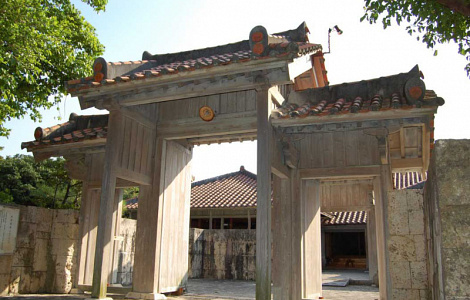
After that, you will be visiting Murasaki Mura Historical Park. This theme park recreates Okinawa's medieval urban atmosphere. Back in the day, the Ryukyu Kingdom was China's vassal. Thus, a mixture of Japanese and Chinese is a common combination here, just a feature of local life. In particular, local traditional houses, stone-walled and red-roofed, reflect Okinawa's ancient culture. Each house has a designated area where you can try various local arts and crafts.
The tour will continue with an excursion to another theme park, the Gala Aoi-umi Marine Park. This place offers a magnificent view of the blue sea as aoi-umi in Japanese stands for blue sea. The park has several salt mines where you can make your own salt. You can try unique ice cream containing natural salt at a local restaurant! In addition, the park has a small garden where you can see many varieties of stunning corals that Okinawa is famous for!
You will travel back to the hotel at the end of the excursion.
Enjoy seeing Tokyo at night! You will see the neon-lit Shibuya district, a site of famous Hollywood movies, from 'Tokyo Drift' to 'Hachiko' to 'Jumper'.
There’s a famous line in space history that needs no introduction: “Houston, we’ve had a problem.” Spoken by the Apollo 13 crew in 1970, it became a symbol of human resilience and ingenuity. Decades later, when the Houston Astros finally won the World Series in 2017, sportswriters playfully rephrased it — “Houston, we’ve got no problem!”



 Top
Top